Home › Airports and Institutional Hydroseeding
We perform airport hydroseeding in Miami, FL along with services for campuses, hospitals, and government facilities. Hydroseeding stabilizes embankments, infields, and open green spaces around critical infrastructure. Our team understands security and scheduling requirements on institutional sites. Contact us to coordinate hydroseeding for your facility.
Miami Hydroseeding provides professional airport hydroseeding throughout Miami, FL, Florida and the surrounding area. Our licensed, insured crew delivers safe, clean, on-time work with a free estimate before anything begins. Call (786) 723-3049 or request your free quote.
Hydroseeding for Miami Airports, Campuses, and Public Facilities
Miami Hydroseeding focuses on large, secure, and regulated sites, which includes airports, colleges, government complexes, and medical campuses across Miami and the broader South Florida area. Airport hydroseeding and institutional hydroseeding are not just larger versions of residential work. They require tighter coordination with security, operations, and compliance teams, plus seed blends and erosion controls that match strict performance expectations.
In Miami, the biggest concerns are controlling erosion on sloped embankments, stabilizing soil around runways and taxiways, reducing dust near active pavements, and creating durable, low‑maintenance green space that can handle heavy rain events and high heat. We design every mix to handle Miami’s subtropical climate, high humidity, intense UV exposure, and frequent summer thunderstorms, which means careful attention to root depth, drought tolerance, and recovery speed after saturation.
Whether the site is inside the secured airport perimeter, a large university extension, or a public institutional complex built on fill near Biscayne Bay, we plan the hydroseeding process to minimize disruption to daily operations and to meet the safety and visibility requirements specific to aviation or institutional use.
How Airport and Institutional Hydroseeding Actually Works
On an airport hydroseeding or institutional project, Miami Hydroseeding follows a set sequence so that scale and security do not cause delays. First, we walk the site with your facilities or project manager and, for active airports, with operations and safety staff. We identify access routes that do not interfere with aircraft movements or critical entrances, note any navigation aids, lights, signage, or underground utilities, and review any limits on dust, overspray, or height of vegetation.
Next, we evaluate the soil and grading. Many Miami-area airports and institutions are built on compacted fill or marl, which drains poorly and crusts on the surface. If needed, we coordinate light scarification or topsoil import, then incorporate soil amendments such as lime, compost, and slow‑release fertilizer tailored to local pH and nutrient levels. In high-traffic or security-sensitive areas we plan for reinforced turf or erosion matting beneath the hydroseed layer.
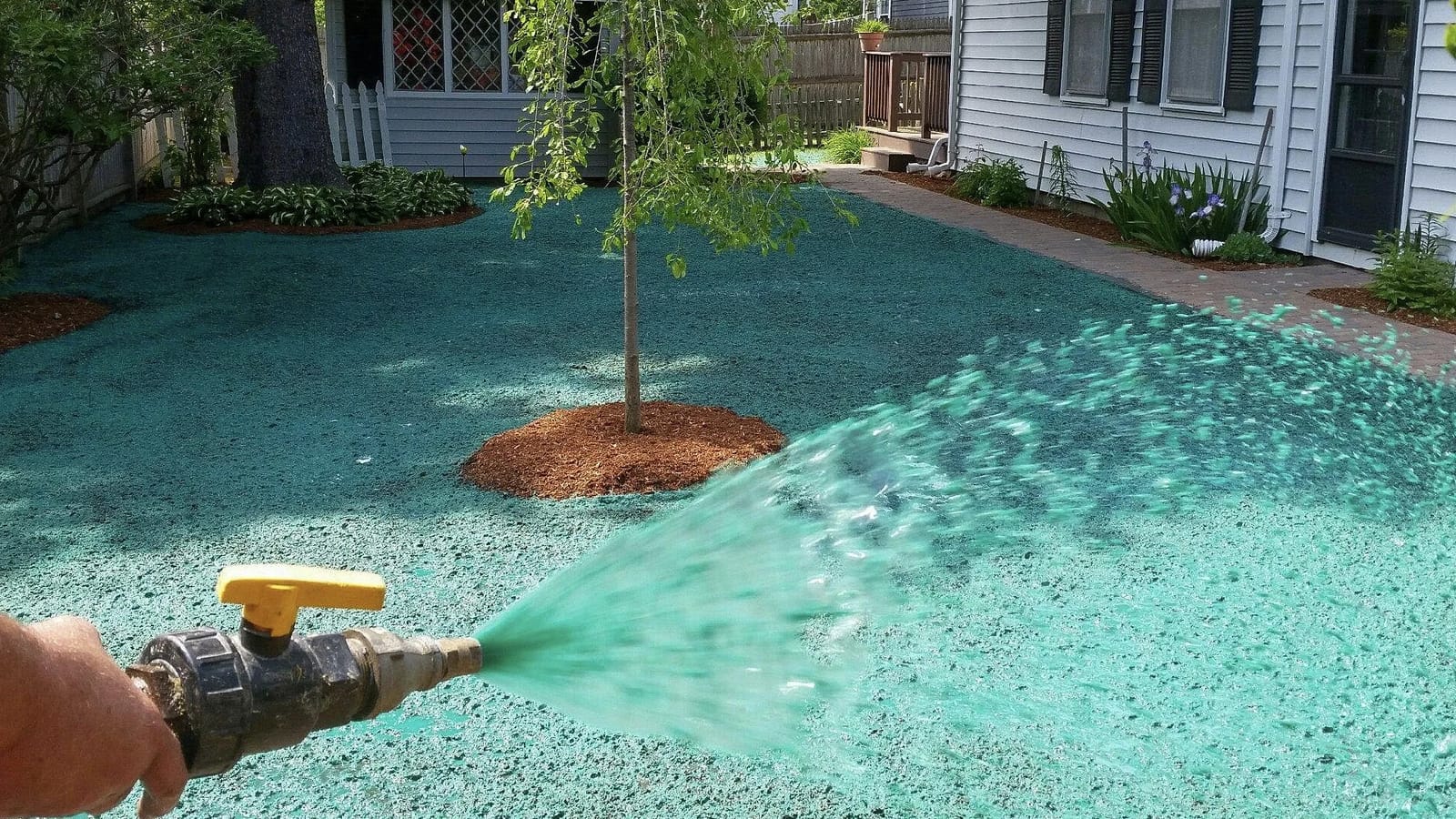
We then mix water, seed, mulch, fertilizer, tackifier, and sometimes soil conditioners in a mechanical hydroseeder. For Miami, we typically use warm‑season turf mixes or native blends that can handle high salinity, heavy rainfall, and extended heat. The slurry is applied with hoses or cannon nozzles in a controlled pattern so we avoid overspray onto runways, taxiways, parking lots, and buildings. On institutions and campuses we often phase application around class schedules, shift changes, or visiting hours to prevent conflicts.
After application, we set up an establishment plan that covers irrigation expectations, traffic control around newly seeded areas, and mowing height and timing once turf is established. For critical airport safety areas, we may specify stricter inspection intervals and performance benchmarks such as vegetation coverage percentage by a set number of days.
Seed Mixes, Erosion Control, and Vegetation Height for Airports
Airports and institutional properties in Miami must balance aesthetics, safety, maintenance budgets, and regulatory rules. For airport hydroseeding, vegetation height and species selection are crucial. Miami Hydroseeding typically designs grass mixes that stay within FAA-recommended height ranges for specific zones and that do not encourage large flocking bird populations. This might include carefully chosen warm‑season turf varieties that establish quickly, tolerate low mowing, and close canopy fast to reduce bare soil.
On institutional sites like hospitals and universities, the goals often include visual appeal and durability around parking lots, stormwater ponds, and pedestrian routes. Here we may combine hardy turfgrasses with native or adaptive species that support stormwater management and reduce the need for irrigation. Close to buildings we may specify lower-growing, denser turf to discourage pests and to keep sight lines open for security cameras and patrols.
For slopes along runways, retention ponds, perimeter roads, and institutional access drives, we often pair hydroseeding with erosion control blankets or bonded fiber matrices. These products lock the seed and mulch in place during the intense rain events that are common in Miami’s wet season. In areas with fast runoff or drainage ditches that carry stormwater, we may upgrade to heavier-duty composites or install check structures to slow water velocity and protect young vegetation.
We also address soil chemistry. Miami soils can shift quickly in pH due to fill materials and salt exposure. Before finalizing a seed mix and fertilizer regimen, we often run a soil test so we can adjust lime, micronutrients, and organic matter content. This reduces patchy growth and rework and leads to more uniform turf across large institutional and airport tracts.
Planning, Permits, and Coordination in Miami, FL
Large airport and institutional hydroseeding projects in the Miami area generally involve multiple stakeholders and, in some cases, municipal or county review. Miami Hydroseeding is used to working on projects tied to Miami‑Dade County requirements, stormwater management plans, and FDOT specifications when hydroseeding is associated with road or interchange work feeding an airport or major campus.
For airports, we coordinate with airport operations, safety officers, and sometimes the airport’s environmental department. They may have wildlife hazard management plans that dictate what can and cannot be planted near runways, taxiways, and approach corridors. We design our hydroseeding approach to fit into those plans while still delivering erosion control and turf establishment.
Institutional projects may be linked to NPDES stormwater permits or post‑construction BMPs that require rapid stabilization of disturbed soil within a set number of days. We review your plan documents, then phase our work so disturbed soil is hydroseeded as soon as grading and utilities are complete. In some cases we schedule work around inspections from Miami‑Dade County or the project’s civil engineer, allowing them to verify slope protection and seedbed preparation before hydroseeding.
Security and access are central concerns. On active airport sites we comply with badge requirements, escort rules, and airfield driving protocols. On hospitals, courthouses, and government campuses we plan material deliveries and loading locations that do not block emergency routes or daily public access. We also plan work windows to avoid interfering with shift change surges and critical operational periods.
What Affects Cost and Schedule for Airport Hydroseeding
For airport hydroseeding and institutional hydroseeding, the cost per acre depends on more than just size. Miami Hydroseeding bases pricing on a few specific factors that we review openly before work starts so you can budget accurately.
Site access is one of the biggest drivers. If our hydroseed truck can get close to the area and spray directly, costs are lower. If the project requires long hose runs, limited access gates, night work, or extensive escorted movements on an airfield, we factor that into labor and time. Steep or difficult terrain, such as pond embankments and elevated perimeter berms, can also increase equipment and labor requirements.
Material selection also affects price. High‑performance erosion control mulches, bonded fiber matrices, or reinforced turf systems cost more upfront but may be needed near inlets, culverts, and high‑velocity drainage paths. Specialty seed blends for safety zones, native habitat areas, or saline soils are priced differently than basic turf mixes. For institutions seeking low‑maintenance or lower‑irrigation landscapes, we may recommend upgraded seed and soil amendment packages that have a higher initial cost but reduce long‑term upkeep.
Schedule and phasing matter too. If hydroseeding must happen during a tight window, such as overnight on an active airfield or limited weekend shutdowns on a hospital campus, we may staff additional crews or equipment. That can slightly raise unit cost but keeps your project on track and reduces disruption. Discussing these constraints early allows us to build a realistic plan and avoid change orders later.
What Miami Facility Managers Should Know Before Hiring
Before you hire a contractor for airport hydroseeding or institutional hydroseeding in Miami, there are a few practical checkpoints to protect your project. First, confirm the contractor’s experience with secure or regulated sites. Miami Hydroseeding trains its crews on airfield and institutional protocols and carries insurance suitable for high‑value facilities. We are prepared to operate within security fencing, follow badging procedures, and work around live operations without creating FOD or safety hazards.
Second, ask to see proposed seed mixes, mulch types, and application rates in writing. For South Florida, generic mixes from other regions can fail under our heat and rainfall patterns. We specify the species, percentages, and pounds per acre for seed, along with mulch and tackifier rates that match the slope and soil conditions. These details should be written into your scope so everyone is clear on expectations.
Third, understand the establishment and maintenance responsibilities. Hydroseeding is not a one‑and‑done solution. Your team or landscape provider must handle irrigation, restricted traffic, and initial mowing according to a clear plan. For airport safety areas and critical institutional grounds, we can provide written guidelines on when to open areas to vehicle or foot traffic and how to manage vegetation height for safety and appearance.
Finally, for projects that tie into stormwater permits or environmental requirements, make sure your hydroseeding contractor can document coverage, dates, and materials used. Miami Hydroseeding can provide application logs and as‑applied maps that help you respond to inspections or closeout documentation requests. This reduces risk of delays at project turnover and helps show compliance with Miami‑Dade and state requirements.