Home › Roadway and Highway Hydroseeding
We provide roadside hydroseeding in Miami, FL for highways, ramps, and medians. Our crews stabilize embankments, ditches, and rights of way with fast growing grass. Hydroseeding improves slope stability and enhances the look of transportation corridors. Contact us for DOT compliant hydroseeding solutions on your roadway projects.
Miami Hydroseeding provides professional roadside hydroseeding throughout Miami, FL, Florida and the surrounding area. Our licensed, insured crew delivers safe, clean, on-time work with a free estimate before anything begins. Call (786) 723-3049 or request your free quote.
Roadway and Highway Hydroseeding in Miami, FL
Roadside slopes in Miami take a beating from heavy rain, traffic vibration, and salt air. Miami Hydroseeding focuses specifically on roadway and highway hydroseeding so your shoulders, medians, and embankments stay stable, green, and compliant with local regulations.
We work along FDOT corridors, county roads, new subdivision entrances, and private access roads throughout Miami-Dade. Whether you need to stabilize a newly graded slope along the Palmetto Expressway or restore vegetation after a drainage improvement along a neighborhood street, we tailor the hydroseeding mix and application method to the exact conditions on your project.
Our team understands how local soils, from sandy fill to compacted construction subgrade, respond to heavy rainfall and fast runoff. That knowledge shapes every decision, from mulch type to tackifier rate, so your hydroseed holds in place instead of washing into the gutter during the first summer storm.
How Roadside Hydroseeding Works Step by Step
For roadway and highway projects in Miami, we follow a consistent, field-tested hydroseeding process that keeps traffic disruptions low and results predictable.
1. Site review and traffic coordination: We walk the alignment, check slope angles, drainage paths, and soil condition, then coordinate with your traffic control plan to sequence work in safe, efficient sections.
2. Grading and surface preparation: Hydroseeding must go on stable, final-grade soil. We verify that compaction is complete, remove construction debris, shape water diversion swales if needed, and lightly scarify the surface so the slurry can lock in.
3. Soil testing and mix design: For larger FDOT or county projects we can pull soil samples to check pH and organic content. For smaller private roads we use proven local profiles. From this, we choose seed species, fertilizer type, and whether to add soil amendments like lime or organic matter.
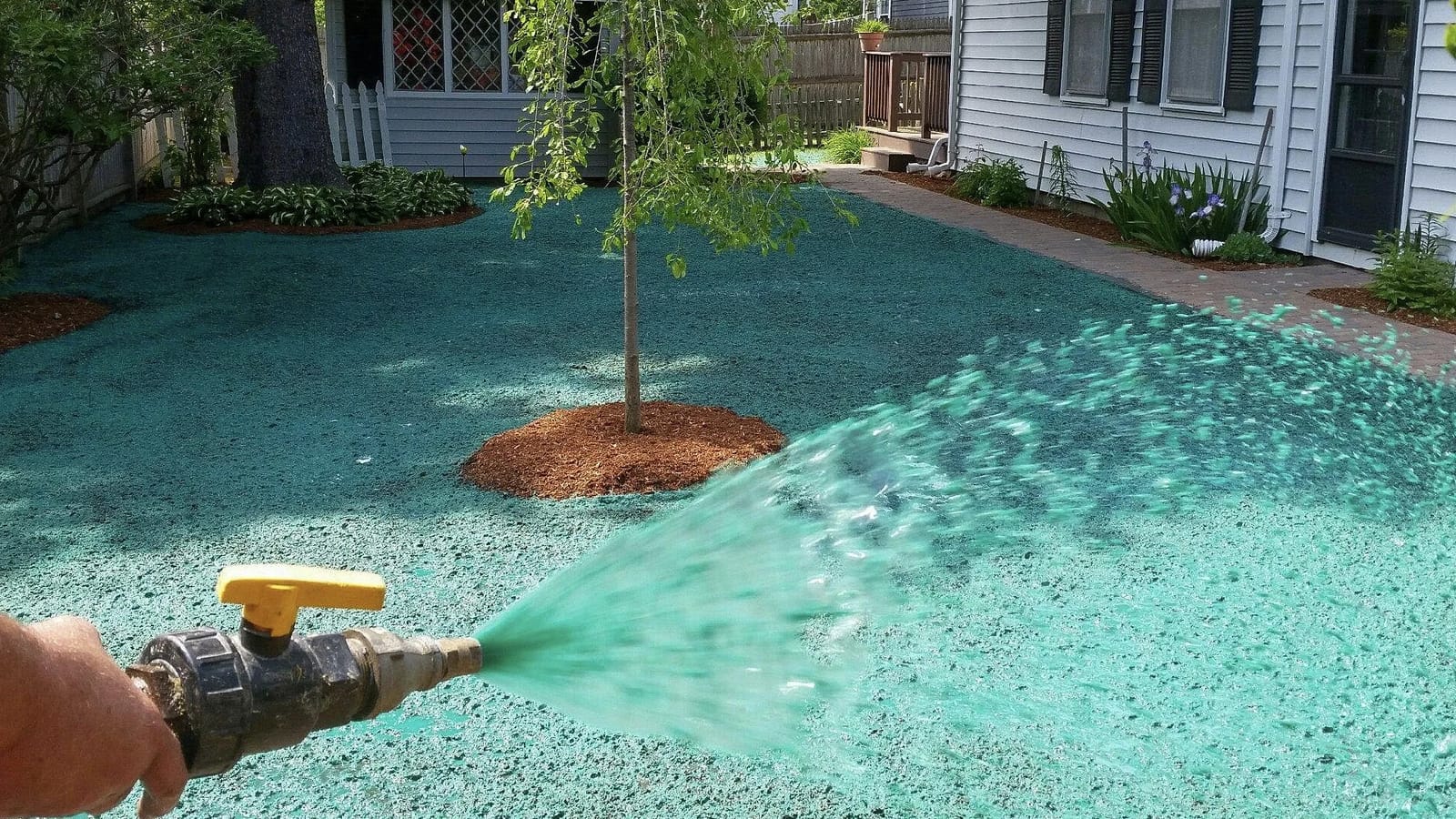
4. Slurry mixing: On site we load water, seed, fertilizer, wood or paper mulch, and tackifier into a hydroseeder tank. Agitation blends the slurry evenly, so every square foot of slope receives a consistent dose of materials.
5. Application along the corridor: Using hoses or turret nozzles, we spray in overlapping passes from the top of slope down to the toe. On medians we often work from a slow-moving truck, while steeper highway embankments may require hose operators working from safe pull-offs.
6. Detail work around structures: Inlets, culverts, guardrail posts, and sign foundations get extra attention with higher tackifier rates or touch-up passes to prevent erosion where water tends to concentrate.
7. Final inspection: Before leaving, we walk the project with your superintendent or inspector, checking for thin spots, overspray on pavement, and coverage around drainage structures, then schedule any follow-up visits as grass begins to establish.
Seed, Mulch, and Tackifier Options for Miami Roadways
Roadside hydroseeding in Miami is not one-size-fits-all. The right mix depends on your project goals, whether that is quick green cover, long-term turf, or strictly erosion control.
For highways and busy arterials, we commonly use drought-tolerant Bermuda or Bahia blends that stand up to heat, salt spray, and occasional mower neglect. In shaded roadside areas under tree canopy, we may blend in more shade-tolerant species so you do not end up with patchy cover next to otherwise healthy slopes.
Mulch choice is just as critical. Wood fiber mulch provides strong erosion control on steeper slopes and around outfalls. Paper mulch can work on gentle shoulders or in medians where runoff is slower. On highly erodible cut slopes, we may specify a bonded fiber matrix and higher tackifier rates to keep the slurry anchored during intense Miami thunderstorms.
Tackifier, which works like a glue, is adjusted based on slope and expected storm intensity. Along canals or near drainage inlets, we often increase tackifier concentration so the mulch mat does not float or slide during high flows. These material choices directly affect initial cost, but they also determine how much rework or repair you will need after hurricane season.
Dealing With Miami Weather, Soils, and Erosion Risks
Local climate is the biggest variable for roadside hydroseeding in Miami. Afternoon downpours, tropical storms, and hurricane-season deluges can undo poorly designed work. Miami Hydroseeding plans around both weather patterns and soil conditions to keep your project stable.
We schedule application when there is enough moisture in the forecast for germination but not a high risk of severe storm events in the first 48 hours. If urgent project timelines require seeding ahead of potential storms, we compensate with stronger mulch choices, heavier application rates, and more robust tackifiers.
Many roadway embankments are built from sandy fill that drains quickly but erodes just as fast. We often increase mulch depth and add organic material to help the soil hold moisture and support root growth. On compacted subgrades, we lightly roughen the surface so seeds do not sit on a hard crust where they can dry out or wash away.
Common issues like rills forming in wheel ruts from construction traffic or water cutting channels down over-steepened slopes are addressed by reshaping those areas before seeding. We may also recommend simple drainage adjustments, such as small berms or check structures, to spread out runoff before it hits vulnerable slopes.
Permits, Standards, and Local Requirements
Roadway and highway hydroseeding work in Miami usually ties into broader regulatory requirements, especially for publicly funded or larger private developments.
On FDOT and Miami-Dade County projects, hydroseeding specifications are often included in the contract documents. Miami Hydroseeding reads these carefully and matches seed species, mulch type, and application rates to the exact sections of the plans. We coordinate with your project engineer to document materials and coverage for pay quantities and inspection.
For projects under National Pollutant Discharge Elimination System (NPDES) permits, vegetative stabilization is a key part of erosion and sediment control. Our work helps you meet the requirement to stabilize disturbed soil within prescribed time frames. We can provide simple stabilization logs and photographs to support your Stormwater Pollution Prevention Plan (SWPPP) documentation.
In residential subdivisions and private roadways that connect to county systems, HOAs and municipal codes may require a maintained green buffer or specific turf appearance along entrances and main drives. We help you choose seed mixes that meet these expectations, and we can coordinate timing with final inspections so your roadsides look presentable when the project turns over.
Costs, Bidding, and What Drives Your Price
Roadside hydroseeding is usually priced by the square foot or acre, but the number that matters most is what it takes to achieve lasting cover on your specific site, not just to spray a minimum mix once.
Key cost drivers include slope steepness and access. Steep embankments that require hose work and more robust mulches are more expensive to treat than wide, gentle shoulders where we can spray directly from the truck. Long, narrow medians with frequent breaks, like turn lanes and cross streets, involve more setup and stopping, which affects labor time.
Material choice is another major factor. Wood-fiber mulch and bonded fiber matrix systems cost more than basic paper mulch, but they reduce the risk of washouts and callback work on challenging slopes. Seed blends with specialized species can also impact cost, although for most Miami roadway work we recommend practical, durable turf mixes that balance price and performance.
Project size and mobilization affect unit pricing too. A single small repair area on an existing road may have a higher per-square-foot cost than a continuous stretch of new highway shoulder because truck mobilization, traffic control coordination, and crew time are spread over fewer square feet.
Miami Hydroseeding provides clear, itemized proposals that separate materials, labor, and any add-ons such as soil testing or post-storm touch-up allowances, so you can compare bids on more than just a single per-acre number.
Aftercare, Maintenance, and When to Call Us Back
Even the best roadside hydroseeding needs basic follow-up to succeed, especially in Miami’s climate. On some public projects, irrigation is not available, so timing and initial care are critical.
We advise keeping construction traffic and equipment off newly seeded slopes and shoulders until the grass has anchored, typically several weeks after germination. If your project includes temporary irrigation, we recommend light, frequent watering schedules that keep the upper soil moist without causing runoff or ponding near the pavement edge.
For long-term maintenance, mowing height is important. Cutting too low can stress young turf and thin out coverage on slopes. We generally recommend higher mowing heights for roadside turf, particularly in sunny, exposed locations. Litter removal is also essential, since trash can smother new grass or block water from reaching the soil.
Miami Hydroseeding offers post-installation inspections, especially after major storm events. If you see bare streaks forming, washouts near inlets, or sections that failed to germinate, we can diagnose whether the cause is weather, soil, or traffic, then spot-seed or adjust the mix as needed. Addressing these small issues quickly helps avoid larger erosion problems and keeps your roadway compliant and looking finished.