Home › Commercial Soil Preparation and Grading for Hydroseeding
We provide commercial soil preparation for hydroseeding in Miami, FL on large developments and infrastructure projects. Our team handles mass grading, fine grading, and topsoil placement to create a stable, seed ready surface. Proper prep reduces failures and rework on hydroseeded areas. Request an estimate for combined grading and hydroseeding services.
Miami Hydroseeding provides professional commercial soil preparation hydroseeding throughout Miami, FL, Florida and the surrounding area. Our licensed, insured crew delivers safe, clean, on-time work with a free estimate before anything begins. Call (786) 723-3049 or request your free quote.
Commercial soil preparation for hydroseeding in Miami’s real conditions
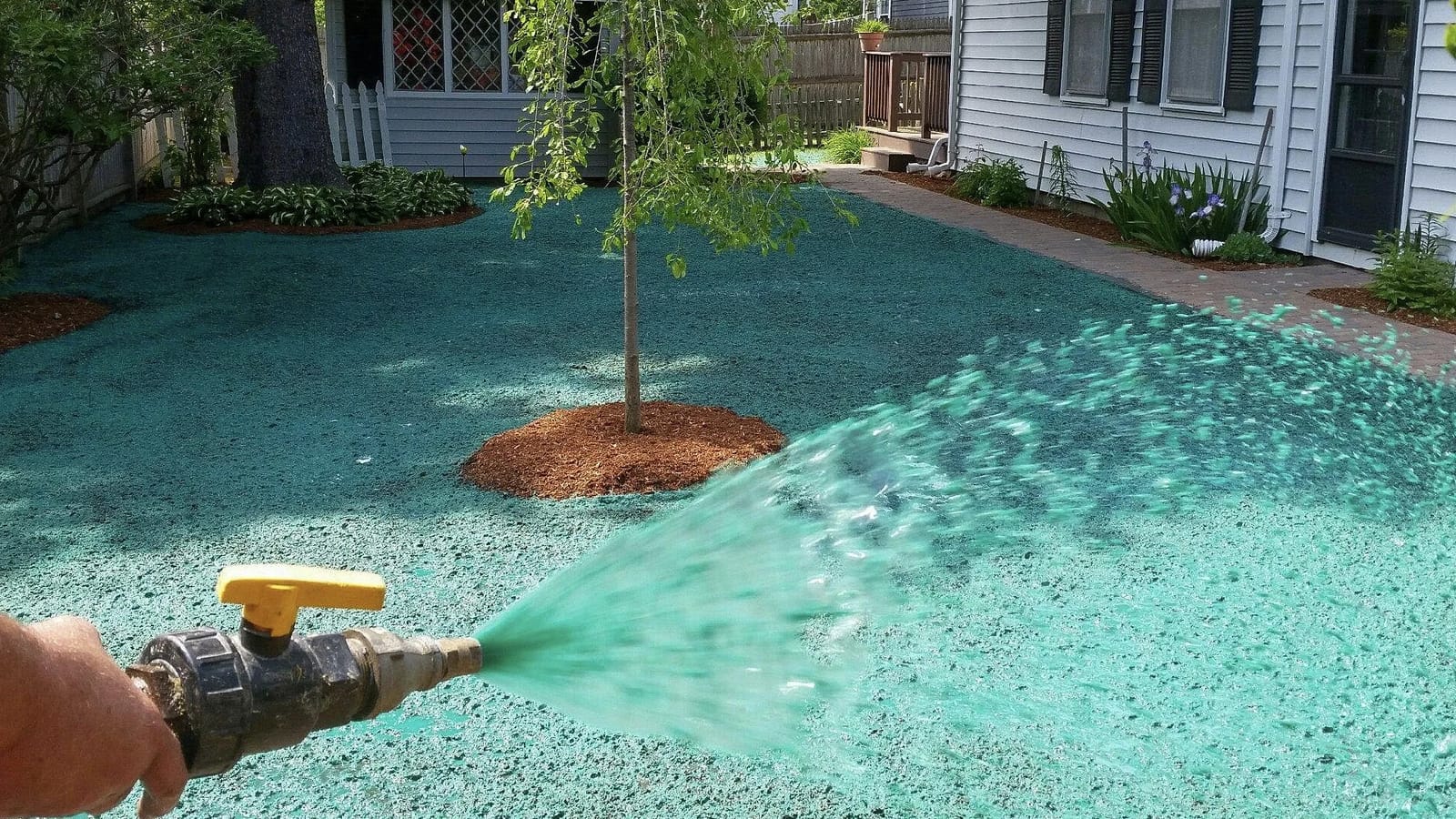
If you are planning a large lawn, sports field, roadside, or commercial landscape in Miami, the quality of the soil and grading will decide how well your hydroseeding holds up. At Miami Hydroseeding, we focus specifically on commercial soil preparation hydroseeding projects, so we design the site work around how the mulch, seed, and fertilizer actually behave in our hot and often stormy climate.
In Miami, the biggest issues we deal with are shallow sandy soils, compacted fill from past construction, and heavy rain events that can wash new seed away. Good soil prep and grading control how water moves across your property and how deep the roots can grow. When we visit your site, we are looking for a few things right away: where water is pooling, where it is cutting channels, how hard the subgrade is, and how much organic matter is in the top few inches of soil.
Instead of pushing ahead with a one size fits all approach, we match the preparation to the actual land use. A hospital campus that needs clean, smooth lawns gets a different grading standard than a warehouse perimeter that mainly needs erosion control and low maintenance coverage. Every recommendation we make is tied to how the hydroseed will be used and how much traffic and irrigation it will receive.
Step by step: how we prepare and grade a commercial site
Our commercial soil preparation hydroseeding process is structured so you always know what is happening on your property and why. It usually begins with a walkthrough and a basic soil assessment. We look at existing vegetation, take note of any thatch or debris, and, if needed, take soil samples to check pH and nutrient levels. Miami soils often test alkaline with low organic matter, which affects what seed blend and fertilizer rates we choose.
Next comes clearing and rough grading. We remove old turf, construction debris, roots, and surface rocks using skid steers, rakes, and box blades. For new construction pads where fill has been compacted by heavy equipment, we often bring in tractor mounted rippers or tillers to break the subgrade 4 to 6 inches deep. This step is critical, because hydroseed will not perform well on a hard, sealed surface. Roots need pores to move into, and water needs to penetrate instead of running off.
After rough grading, we bring in or redistribute topsoil if the site is short on quality material. In Miami this often means blending existing sandy soil with organic compost or topsoil from a vetted supplier, then spreading it evenly with graders or skid steers. We usually aim for 3 to 4 inches of workable topsoil depth for commercial lawns, sometimes more for high visibility entrances or sports applications. Only once we have the right depth and a reasonable nutrient base do we move on to fine grading.
Fine grading is where the surface really takes shape. Using laser levels or rotating lasers, we set our target slopes so water drains away from buildings, walkways, and parking areas while still staying slow enough that a hydroseeded slope does not erode. Our crews then use power rakes, landscape rakes, and drag mats to smooth the surface, remove remaining clods, and blend any low spots. On slopes that are prone to washouts, we may cut shallow terraces or introduce check ridges to interrupt water flow before hydroseeding.
Local grading solutions for Miami rain, sand, and drainage issues
Miami’s weather and soil create very specific grading challenges, and we plan commercial soil preparation hydroseeding projects around those, not around a generic standard. Heavy summer storms can drop inches of rain in an hour. If the site is graded too flat, you get puddles that drown new seedlings and turn into mud pits. If the slopes are too steep or uneven, water gains speed and strips the mulch and seed right off the surface.
To avoid these problems, we pay close attention to slope percentages. For open lawn areas we often target gentle 1 to 3 percent pitches that quietly move water away without being noticeable to the eye. Along driveways, building edges, and walkways, we create swales and shallow channels that collect runoff, then flatten the grade where hydroseeding will occur so the mulch layer is not constantly under water. On retention pond banks or steep roadway embankments, we may adjust the top few feet of slope, add steps, or suggest erosion control blankets in combination with hydroseeding.
Another local reality is sand migration. Many Miami commercial properties sit on fill that shifts or washes at the surface. During preparation we compact only as much as is needed to keep grades stable, then lightly loosen the top 2 to 3 inches so roots can knit the surface together once the seed germinates. If we notice areas that tend to ravel or blow, we may recommend soil tackifiers in the hydroseed mix or temporary netting on the most exposed slopes.
Drainage structures are also a key part of the grading plan. Before hydroseeding, we make sure catch basins and inlets are at the right elevation, that there are no abrupt dips around them, and that topsoil is feathered so you do not get bare rings as the soil settles. These details are what keep a new commercial turf area from ending up with constant wet spots and dead patches after a few heavy storms.
What affects cost and timeline on commercial soil prep projects
Clients often ask what drives the price and duration of commercial soil preparation hydroseeding work in Miami. The main factors are access, existing conditions, the amount of earthwork required, and what you expect from the finished surface.
Access has a big role because our equipment is sized for efficiency. If loaders, tractors, and hydroseeders can reach the site easily, production moves quickly. Tight courtyards, roof decks, or areas fenced off by other trades take extra labor and sometimes smaller, slower machines. We discuss all of this up front so you understand why some areas cost more per square foot than wide open fields.
Existing conditions are just as important. Stripping an old, weedy lawn and lightly tilling a few inches costs far less than rehabilitating a construction fill area with severe compaction or poor drainage. If we need to import topsoil or compost, that adds material and trucking costs. On some Miami commercial projects, we can reuse good onsite soil that is simply in the wrong place by cutting and filling within the property. On others, code requirements or poor subsoil quality mean new material is the smarter investment.
Your expectations for the finished surface also matter. A high end commercial frontage that needs a golf course smooth appearance before hydroseeding takes more passes with power rakes and drag mats than a utility slope behind a warehouse. If you are planning future sports use or heavy foot traffic, we may recommend more subgrade corrections, deeper topsoil, or soil amendments like lime and slow release fertilizers in advance. These upgrades cost more on day one but usually pay for themselves through stronger turf and lower long term repairs.
Timeline is typically influenced by weather and coordination with other trades. We work around Miami’s rainy season as much as possible, and we plan grading so we are not leaving loose soil exposed for long periods. When we can move directly from final grading to hydroseeding, you get the best results and fewer weather risks.
What to expect when you hire Miami Hydroseeding
When you bring in Miami Hydroseeding for commercial soil preparation hydroseeding, we start with a straightforward conversation about your site, your schedule, and how you want the finished turf to function. We walk the property with you or your site superintendent, identify problem spots, and agree on target grades and soil improvements before any heavy work begins.
During the project, you will see a clear sequence: stripping or clearing, rough grading and subgrade correction, topsoil placement or amendment, fine grading, then immediate hydroseeding. Our crews keep you updated on which sections are ready, where we need your input, and how weather is affecting our daily plan. We know most commercial sites in Miami have multiple contractors on them at once, so we coordinate with your GC or property manager to minimize conflicts.
Once grading and hydroseeding are complete, we walk the site again and mark any areas we want to keep an eye on, such as steep banks, swales, or high traffic corners. You receive specific maintenance instructions tailored to Miami conditions, including initial irrigation schedules, when to keep equipment off the turf, and what early signs of erosion or washouts look like so you can call us quickly if needed. For many commercial clients, we schedule a follow up inspection to confirm that grades are holding, water is flowing correctly, and the new turf is filling in as expected.
Our goal is simple: prepare and grade your soil so the hydroseed has every chance to succeed, even through Miami’s heat and heavy rains. By focusing on the details below the green surface, we help your commercial property get a stronger, more durable landscape with fewer surprises after installation.