Home › Landfill and Mine Reclamation Hydroseeding
Our reclamation hydroseeding services in Miami, FL help restore vegetation on landfills, mines, and other disturbed industrial sites. We apply specialized seed mixes that tolerate harsh soils and promote long term cover. Hydroseeding stabilizes slopes, controls dust, and supports regulatory compliance. Request a reclamation hydroseeding plan for your site.
Miami Hydroseeding provides professional reclamation hydroseeding throughout Miami, FL, Florida and the surrounding area. Our licensed, insured crew delivers safe, clean, on-time work with a free estimate before anything begins. Call (786) 723-3049 or request your free quote.
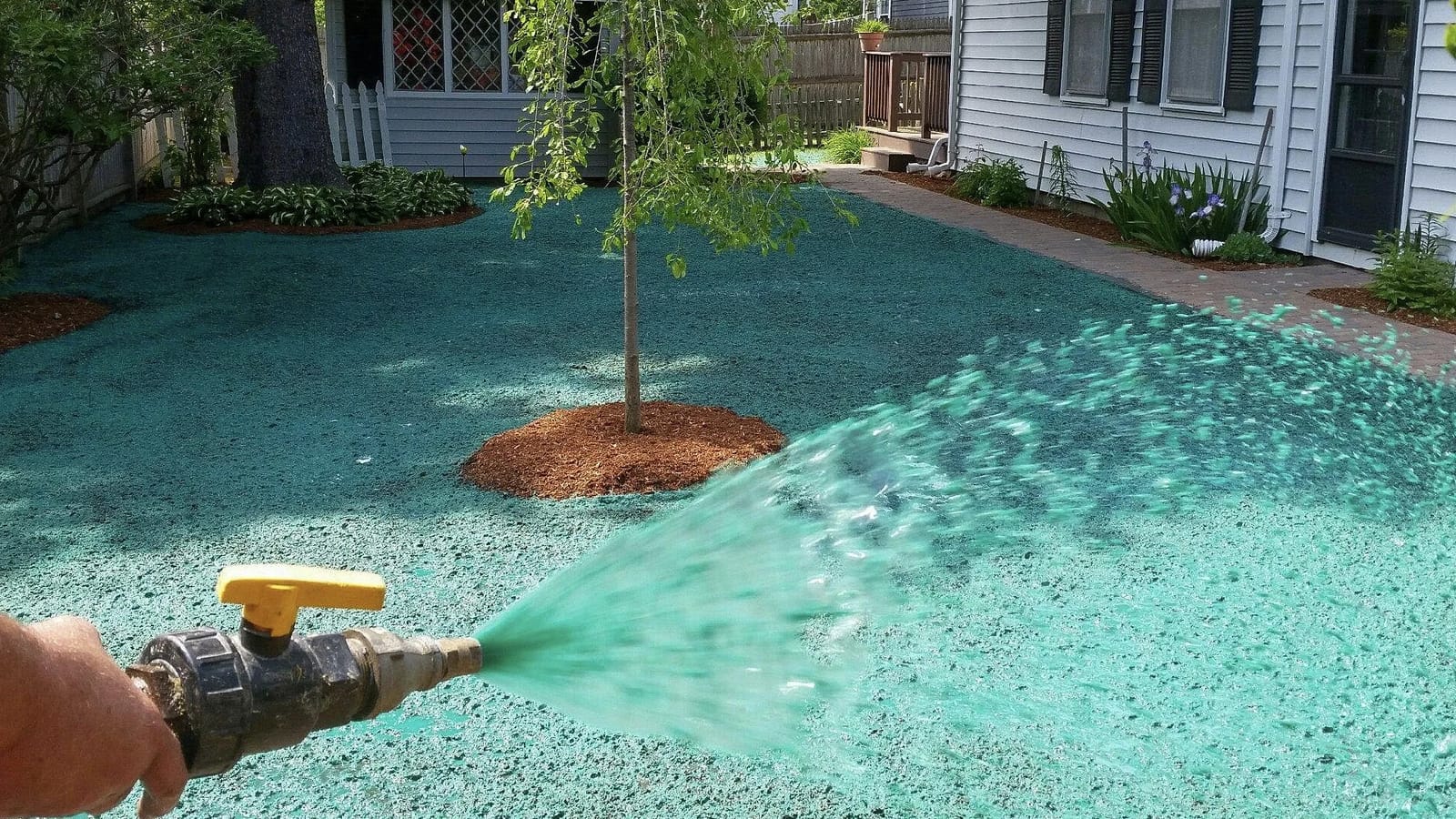
Reclamation hydroseeding tailored to South Florida landfills and mines
Reclaiming a landfill slope or mine site in Miami is very different from seeding a temperate hillside. At Miami Hydroseeding, we design reclamation hydroseeding systems that account for South Florida’s tropical rains, heat, sandy and rocky subsoils, and strict environmental rules.
Our team focuses on stabilizing steep faces, capping exposed fill, and establishing vegetation that can survive salt-laden winds and intense sun. For closed landfills, that might mean designing a hydroseed mix that roots quickly into engineered caps and drainage benches. For rock and sand pits or borrow areas, we often work with very shallow or compacted soils where we must adjust mulch rates and tackifiers so the slurry actually stays in place.
Every reclamation hydroseeding project starts with the end goal in mind. Whether you need erosion control to meet a permit requirement, a vegetated cover to reduce leachate, or a long-term habitat restoration plan, we shape the mix, equipment, and schedule around those targets so you get durable, inspectable results instead of a temporary green tint that disappears after the first storm.
Our step-by-step approach to landfill and mine reclamation hydroseeding
We follow a defined, field-tested process so your landfill or mine site in Miami moves from exposed soil to stable, vegetated cover as efficiently as possible.
1. Site evaluation and soil testing: We walk the site, note slope angles, drainage paths, and cap details, and collect representative soil samples. For mine pits or reclaimed borrow areas, we look for subsidence, rock outcrops, and areas where fines collect. We send soils to a lab to test pH, salinity, nutrient levels, and organic matter.
2. Regulatory and plan review: We review closure plans, NPDES or FDEP permit conditions, bond release criteria, and any engineering drawings. For municipal landfills in Miami-Dade, we coordinate with your engineer so hydroseeding aligns with cap thickness, gas venting, and stormwater design.
3. Surface preparation: We coordinate grading to achieve stable slopes, typically 3:1 or flatter where possible, and ensure no standing water remains on benches. We scarify compacted surfaces where allowed by the cap design, remove trash and large debris, and, if specified, add a thin layer of topsoil or compost to improve rooting.
4. Mix design and calibration: Based on the site and goals, we select seed species, mulch types, tackifiers, and soil amendments. We then calibrate our hydroseeder so the applied rates match the design, which is critical for inspections and performance.
5. Hydroseeding application: Our crew applies the slurry in controlled passes from the top of the slope downward, overlapping to avoid gaps. On very steep faces or high-wind days, we may break the work into segments to ensure coverage and minimize drift.
6. Post-application inspection: Within a day of application we inspect for missed areas, erosion rills, or mulch slippage and schedule immediate touch-ups. We also provide a simple inspection checklist you can use for your own records and agency visits.
7. Establishment support: Over the following weeks we monitor germination where access is available, advise on supplemental irrigation when possible, and plan repairs after heavy rain events if needed.
Hydroseed slurry components built for Miami landfill and mine conditions
The success of reclamation hydroseeding depends on what is actually in the tank. Miami Hydroseeding builds each slurry mix to match both your site type and South Florida climate.
Seed selection: For landfills and mine sites, we typically use hardy, deep-rooting grasses like bahiagrass, bermudagrass, and selected native warm-season species, often blended with nurse grasses that establish quickly. On capped landfills with public visibility, we may include species that produce a more uniform appearance while still meeting closure requirements.
Mulch choices: On steep landfill faces and erosive mine spoils, we rely on high-performance hydraulic mulches, not just basic paper mulch. We often use wood fiber mulch at higher application rates, and in critical areas we install bonded fiber matrix (BFM) or flexible growth medium that forms a reinforced blanket once cured.
Binders and tackifiers: To keep the slurry in place during Miami’s intense thunderstorms, we add polymer tackifiers or guar-based binders at rates matched to slope gradient and expected rainfall. On very steep or wind-exposed slopes, we may specify a two-pass application, first a tackified pass, then a second cover pass.
Soil amendments: Many reclaimed mine areas and landfill caps in South Florida lack organic matter and can have high pH or salt levels. We routinely incorporate slow-release fertilizers, lime or sulfur (as needed from test results), humic acids, and composted organics into the slurry so plants have enough nutrients to establish without frequent reapplication.
Water management additives: In especially drought-prone sections or highly drained sandy caps, we may incorporate water retention polymers into the mix to hold moisture around the seed during the critical germination window, which is especially valuable when irrigation access is limited or nonexistent.
What drives the cost of reclamation hydroseeding in Miami
Miami landfill and mine reclamation projects vary widely in cost, and the differences usually come down to site conditions and regulatory expectations rather than just acreage.
Slope and access: Steeper slopes (steeper than 3:1), tall landfill faces, and difficult access points require more specialized equipment, additional hose work, and more time. For example, a cell that can be reached directly by truck from the toe is less expensive per acre than a site where we must pump slurry several hundred feet up a narrow bench.
Specification requirements: Projects tied to closure permits, engineering plans, or bond release criteria often require higher mulch rates, specific hydraulic mulch types, and certified seed blends. These increase material costs but are often non-negotiable if you want regulatory sign-off.
Soil amendments and topdressing: If soil tests show severe nutrient deficiencies or pH issues, we may recommend adding fertilizers, lime or sulfur, and organics either in the slurry or as a separate operation. For mine spoils with no topsoil, importing or spreading a growth medium layer before hydroseeding can be a major cost component.
Area size and phasing: Larger, contiguous areas typically offer better economies of scale, since mobilization and setup costs are spread across more acres. However, if a project is phased across multiple cells over time, each mobilization adds to the total cost.
Weather risk and repairs: Projects scheduled in the peak of rainy season may require contingencies for washouts or reapplications. We can plan staging and application windows to reduce this risk, but it remains a cost factor that must be considered in realistic budgets.
At Miami Hydroseeding, we provide detailed, line-item proposals so you can see how slope, mix design, and phasing influence your final cost and where there are options to optimize without sacrificing performance.
Managing Miami’s weather, erosion, and settlement challenges
Landfill and mine reclamation hydroseeding in Miami needs to be engineered around three main realities: extreme rainfall events, high heat and humidity, and long-term settlement.
Heavy rain and erosion: Sudden storms can easily scour unprotected slopes or freshly applied hydroseed. To counter this, we often schedule applications just ahead of lower-risk weather windows, use higher-performance mulches in critical zones, and recommend simple surface water controls like check dams in drainage channels and temporary slope interruptions where practicable.
Heat, humidity, and drought spells: South Florida can swing between soaking rain and short dry spells that bake exposed soils. Our seed selections favor warm-season grasses that germinate and root quickly under high temperatures. Where irrigation is possible, we provide clear watering guidance; where it is not, we rely on water-holding additives and mulch densities that shade the soil and reduce evaporation.
Settlement and cap movement: Landfills are dynamic structures. Settlement can open small cracks, create ponding, or change slope geometry over time. We design hydroseed systems that can tolerate some movement, and we plan for periodic inspection and localized reseeding or repair. On older mine sites, we pay close attention to areas where fine materials have migrated downslope, which can change the erosion risk profile over a single season.
Wind uplift and coastal influences: Sites near Biscayne Bay or exposed to coastal winds can experience extra stress on mulch layers. In these cases, we may adjust tackifier rates, select heavier mulches, or pair hydroseeding with erosion control blankets or turf reinforcement mats on the most exposed sections.
What Miami facility managers and site owners should know before hiring
If you manage a landfill, quarry, sand pit, or reclaimed borrow site in the Miami area, there are a few key points to have clear before you hire a reclamation hydroseeding contractor.
Know your permit and closure requirements: Gather your landfill closure plan, NPDES permit conditions, and any county or FDEP directives. These documents usually state vegetative cover targets, stabilization timelines, and acceptable erosion control methods. Providing these up front allows us to design a solution that will pass inspection without rework.
Document existing conditions: Recent survey data, slope plans, and any as-built drawings of caps or drainage structures are very helpful. Photos after major rain events can show us where water concentrates and where previous erosion issues occurred.
Clarify access and safety constraints: Let us know weight limits for access roads, gas vent locations, areas with settlement concerns, and any restricted zones. This affects which trucks and equipment we can safely bring on site and how we plan hose runs and staging.
Decide on your maintenance capabilities: Some owners can provide limited irrigation, mowing, or follow-up fertilization. Others cannot. Being realistic about what your team can do after we hydroseed helps us choose species and mulch systems that match your actual maintenance profile.
Establish your timeline: Regulatory deadlines and seasonal windows matter in Miami. For example, attempting to meet a vegetation deadline in the middle of peak hurricane season may require higher-performance materials and budget contingencies. Share your milestones early so we can propose a sequence that reduces risk and cost where possible.
Why Miami Hydroseeding is a specialized partner for reclamation projects
Landfill and mine reclamation is not just another seeding job. It carries environmental, regulatory, and public visibility responsibilities that demand experience beyond basic lawn hydroseeding. Miami Hydroseeding focuses on large-scale, technical reclamation hydroseeding across South Florida, with a strong track record on municipal landfills, private C&D sites, and mining operations.
Our crews are trained around confined-space rules near gas vents, heavy equipment movements, and stormwater BMPs, and we work comfortably alongside engineers, closure consultants, and regulatory inspectors. We maintain high-capacity hydroseeders that can pump long distances and handle heavy slurry mixes required for steep and complex slopes.
Working with us, you get more than an application crew. You get input on mix design based on local performance, realistic scheduling advice considering Miami’s weather, and practical strategies for achieving long-term stable cover instead of short-lived green-up.
Whether you are planning a final landfill cap, stabilizing interim cells, or closing out an old mine or borrow area, Miami Hydroseeding can help you move from exposed, high-liability ground to vegetated, inspectable slopes that satisfy both regulators and your long-term asset plans.