Home › Native Seed and Wildlife Habitat Hydroseeding
We provide native seed hydroseeding in Miami, FL for conservation areas, mitigation sites, and wildlife habitat projects. Our mixes can include native grasses, wildflowers, and pollinator friendly species suited to the region. Hydroseeding allows fast, even distribution of diverse seed blends. Request a consultation for your habitat or restoration project.
Miami Hydroseeding provides professional native seed hydroseeding throughout Miami, FL, Florida and the surrounding area. Our licensed, insured crew delivers safe, clean, on-time work with a free estimate before anything begins. Call (786) 723-3049 or request your free quote.
Native Seed Hydroseeding for South Florida Habitats
Miami Hydroseeding designs and installs native seed hydroseeding projects that actually match the ecology of Miami, not a generic seed mix from another region. We focus on creating durable wildlife habitat that fits your specific site conditions, whether you are restoring a disturbed lot, converting turf into a native meadow, or stabilizing a canal bank with pollinator friendly cover.
Our team works with native grasses, wildflowers, and groundcovers that tolerate Miami’s heat, high humidity, sandy or marl soils, and seasonal flooding. Instead of a one size fits all approach, we select species based on sun exposure, soil type, and how much maintenance you realistically want to provide. The result is a habitat area that looks natural, supports birds, butterflies, and other wildlife, and holds up to our local climate.
Because we are based in Miami, FL, we understand the permitting, irrigation limitations, and nuisance species issues that often come up on native habitat projects in South Florida. We build those realities into the design and installation plan so you are not surprised six months after installation.
How Our Native Seed Hydroseeding Process Works
Before any hydroseeding tank is filled, Miami Hydroseeding evaluates your site in person. We look at existing vegetation, soil profile, drainage patterns, and any nearby natural areas that might influence species selection. For sensitive locations, we may also recommend a basic soil test to confirm pH and salinity, which can be an issue on coastal or fill sites in Miami.
Once we understand the site, we prepare the ground by removing invasive plants, lightly grading to reduce erosion channels, and creating a firm but slightly roughened seedbed. In many Miami soils this involves scarifying compacted fill, then leveling so water does not pool in the wrong places. On slopes and canal banks, we shape the grade to slow stormwater runoff and reduce washouts.
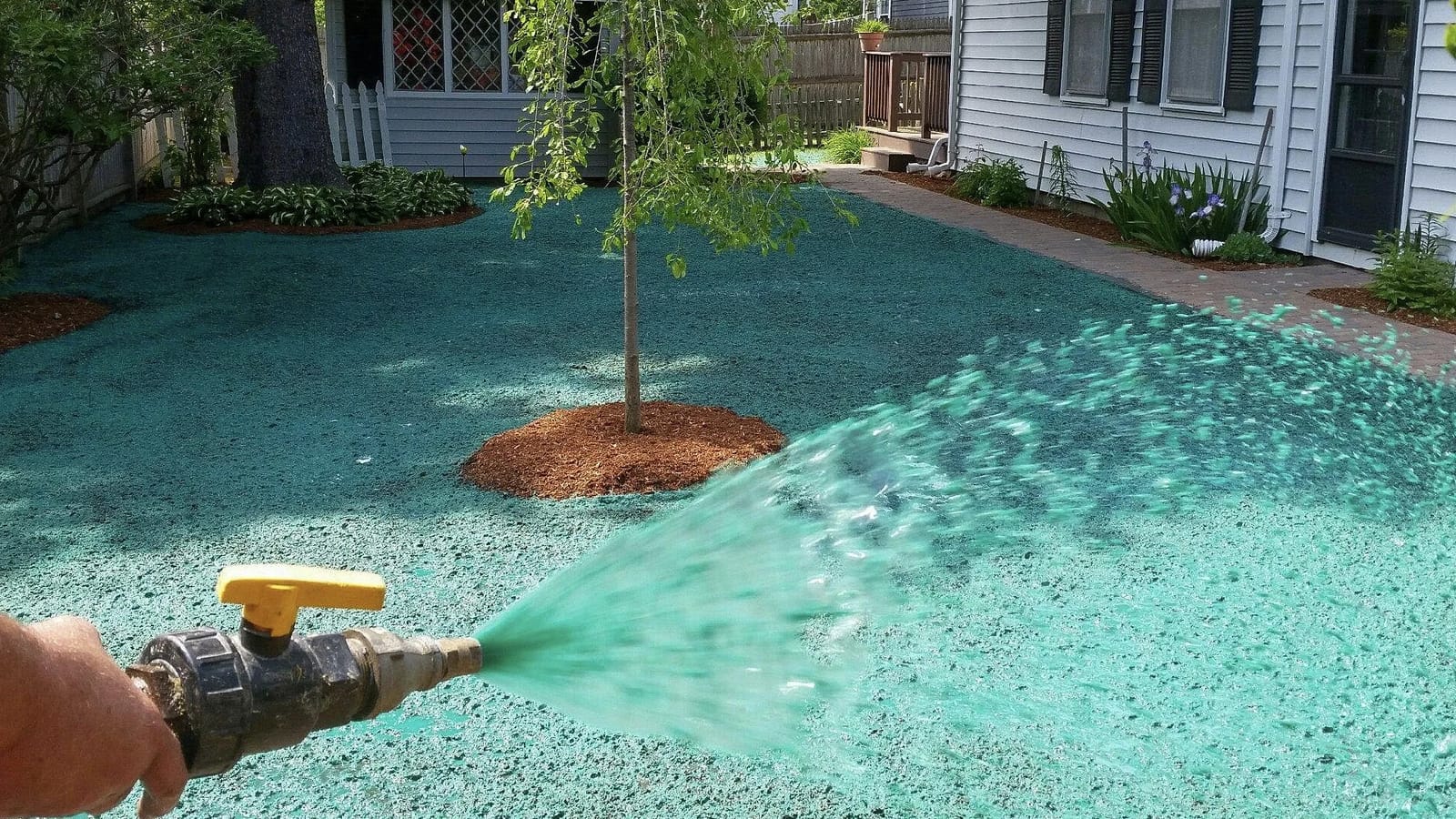
We then blend a custom native seed mix with water, fiber mulch, tackifier, and starter nutrients in our hydroseeding tank. The slurry is sprayed evenly across the site with special attention to edges, slopes, and transitions to existing vegetation. For wildlife habitat hydroseeding, we often vary the spray pattern or mix slightly between zones, for example a more drought tolerant mix on higher ground and a wet tolerant mix in low pockets.
After application, we walk the site to confirm coverage, reinforce thin areas, and note where additional erosion controls like straw wattles or biodegradable blankets may be needed. We also review watering and establishment guidance with you or your grounds crew so that the habitat has the best chance to take hold through the first dry season.
Native Species We Commonly Use in Miami Wildlife Habitats
Successful native seed hydroseeding in Miami, FL depends on choosing species that are both ecologically appropriate and practical to manage on developed properties. Miami Hydroseeding typically works with native and Florida friendly species such as muhly grass, Fakahatchee grass, lovegrass, and other clump forming grasses that provide structure and cover for wildlife.
For wildflowers and forbs, we often include blanketflower, coreopsis, black eyed Susan, partridge pea, and other species that offer nectar and seed throughout the year. Around wet areas or swales, we can incorporate soft rush, maidencane, and other moisture tolerant plants that help filter runoff and hold soil in place. Where salt or wind exposure is a factor, we adjust the species list to more coastal tolerant natives.
We tailor species mixes to the goal of the project. A pollinator focused habitat might prioritize long blooming wildflowers and low growing grasses so flowers are visible. A bird habitat zone near a canal might lean more heavily on seed producing grasses and denser cover. In all cases, our selections account for Florida invasive species regulations and local Miami Dade requirements so your habitat supports native ecology rather than competing with it.
Designing Wildlife Habitat for Real World Miami Conditions
Wildlife habitat hydroseeding has to work within the constraints of Miami’s development patterns, irrigation options, and maintenance realities. Miami Hydroseeding designs planting zones based on how the property is actually used. For example, we create denser habitat blocks away from building entrances to keep wildlife activity from conflicting with daily operations, and use lower growing mixes along visibility corridors and sight triangles.
We also plan for the distinct wet and dry seasons in South Florida. In areas that are not irrigated, we often time hydroseeding to coincide with the start of the rainy season so seedlings can establish a deeper root system before the winter dry months. For irrigated sites, we design water schedules that encourage deep rooting rather than frequent shallow watering that leads to weak plants.
Because many Miami properties border canals, retention ponds, or mangrove zones, we pay close attention to how runoff from your habitat area will behave. Hydroseeded native vegetation can be arranged to slow and filter water before it reaches these systems, which helps reduce sedimentation and nutrient loading. Our designs strike a balance between ecological function and compliance with local stormwater and shoreline management guidelines.
What Affects the Cost of Native Seed Hydroseeding in Miami
Most clients want to understand how pricing works before committing to a native habitat project. Miami Hydroseeding bases costs on a combination of site size, level of site preparation required, complexity of the seed mix, slope and access, and any specialty erosion control products or follow up services you choose.
Sites with heavy invasive coverage, like Brazilian pepper or dense guinea grass, require more labor to clear and may need one or more herbicide treatments, which influences cost. Steep canal banks or retention pond slopes can also increase pricing because additional safety measures, hose extensions, and sometimes erosion control blankets are needed to ensure the seed stays in place.
Custom native mixes that include hard to source species or locally collected seed can be more expensive than standard commercially available blends. We explain those tradeoffs clearly so you can decide where to invest for the most impact. Finally, some clients choose ongoing monitoring and touch up hydroseeding during the first year. Including this in the original plan can be more cost effective than bringing us back on an emergency basis after a major storm or unexpected washout.
Common Challenges and How We Address Them
Native seed hydroseeding for wildlife habitat in Miami comes with predictable challenges, and Miami Hydroseeding plans for them from the start. One of the biggest issues is competition from aggressive weeds and non native grasses that respond quickly to disturbance. We reduce this by scheduling careful pre plant weed control, using mulch rich hydroseeding slurries, and recommending at least one early establishment mowing or trimming in certain meadow type areas to keep weeds from seeding.
Another challenge is intense tropical rainfall that can wash seed and mulch from slopes or bare soils. On vulnerable areas we combine hydroseeding with tackifiers, straw wattles, compost logs, or biodegradable blankets, especially along canal banks and drainage swales. We design runoff paths so water spreads out instead of cutting channels through new plantings.
Irrigation gaps can also slow establishment, especially on smaller infill sites with no permanent system. In those cases we may recommend portable sprinklers for the first 4 to 6 weeks, and we adjust the seed mix toward tougher early establishing species. We provide a simple care schedule that property managers in Miami can realistically follow, even with limited staff time.
What to Know Before You Hire a Native Hydroseeding Contractor
Choosing the right contractor for native seed hydroseeding is as important as the species you put in the ground. When you work with Miami Hydroseeding, you are working with a team that understands local codes, native plant lists, and how wildlife habitat interacts with the surrounding urban landscape in Miami, FL.
Before hiring any contractor, ask to see examples of previous native or habitat oriented projects, not just turf hydroseeding. Request a proposed species list and confirm that the mix is compatible with South Florida conditions and your specific site. You should also ask how they handle invasive species control, post installation monitoring, and what kind of establishment period support is included.
If your site is part of a restoration requirement, mitigation plan, or green infrastructure initiative, make sure your hydroseeding partner is comfortable collaborating with your environmental consultant or landscape architect. Miami Hydroseeding frequently coordinates with permitting agents and design professionals, and we document application rates, species, and installation dates so you have a clear record for compliance. Starting with a clear scope and realistic maintenance plan will give your native wildlife habitat the best chance to thrive for years.