Home › Construction Site Hydroseeding
Our construction hydroseeding services in Miami, FL help contractors meet stabilization and environmental requirements. We provide temporary seeding, final seeding, and dust control on disturbed areas. Hydroseeding covers large construction sites quickly, reducing erosion and improving compliance. Reach out for rapid scheduling and project specific pricing.
Miami Hydroseeding provides professional construction hydroseeding throughout Miami, FL, Florida and the surrounding area. Our licensed, insured crew delivers safe, clean, on-time work with a free estimate before anything begins. Call (786) 723-3049 or request your free quote.
Construction Hydroseeding for Miami Job Sites
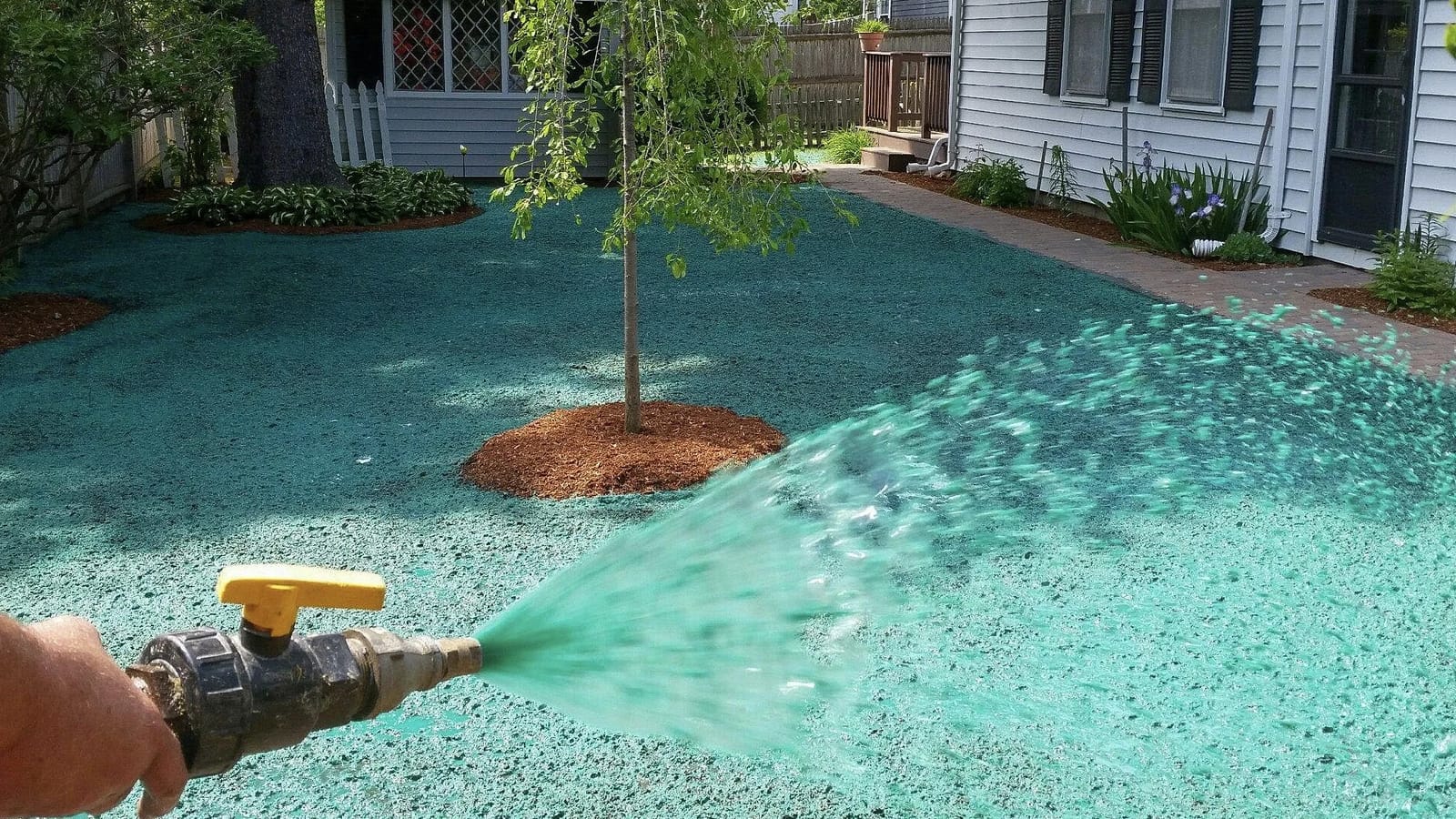
Construction hydroseeding on an active job site in Miami is about more than just spraying grass. It is a planned erosion and dust control strategy that protects your project schedule, your budget, and your compliance record. Miami Hydroseeding works with general contractors, sitework crews, and developers across Miami-Dade to stabilize disturbed soil, keep sediment out of storm drains, and meet local permit conditions.
Our crews are used to tight timelines, congested sites, and South Florida weather patterns. We schedule work around inspections, paving dates, and utility work so you can keep trades moving while we lock down exposed soil with properly selected seed and mulch. From small infill lots in Little Havana to large commercial pads near Doral, we adjust our approach to your site constraints and the expectations of local inspectors.
How Construction Hydroseeding Works on an Active Site
On a construction site, hydroseeding starts with a field walk. A Miami Hydroseeding project manager will review your plans, SWPPP or erosion control sheets, and any permit notes from Miami-Dade County or the City of Miami. We look at slopes, drainage paths, soil type, and how close you are to inlets and canals. We also confirm which areas are temporary stabilization and which are final, so we can choose the right seed and mulch.
Once we understand the site, we schedule hydroseeding when the grading crew is finished in the target areas and compaction is complete. If the soil surface is crusted or overly smooth, we may recommend a light track walk or raking pass so the slurry has some texture to grab onto. On work day, our tank is loaded with clean water, a grass seed blend suited to South Florida conditions, wood or blended mulch, tackifier (the glue that helps everything stick), and starter fertilizer as needed.
The crew positions hoses to reach slopes, retention areas, and flat pads without disrupting other work. We hydroseed in overlapping passes so there are no thin stripes, paying special attention to slope breaks and swales where erosion often starts. If the site has storm inlets, we keep the slurry off the grates and can also coordinate with your erosion control provider to make sure inlet protection and silt fence are in place before we leave.
Materials and Options for Miami Construction Sites
Construction hydroseeding materials are selected around the realities of Miami heat, rainfall patterns, and sandy or fill soils. For most construction sites, Miami Hydroseeding uses warm-season grasses such as Bahia or Bermuda that can handle high temperatures, periods of heavy rain, and lower irrigation levels once established. For shaded rights-of-way or special conditions, we can discuss alternate blends with your engineer or landscape architect.
The mulch type is a major decision on construction sites. On gentle slopes and flat pads, a standard wood fiber or blended mulch is often sufficient. On steeper embankments, pond banks, or areas that will see concentrated runoff, we may recommend a high performance bonded fiber matrix. This creates a stronger mat that resists erosion until the grass roots knit the soil together. For extremely vulnerable areas, we can combine hydroseeding with erosion control blankets or turf reinforcement mats.
We also review soil testing if available. Many Miami sites are cut into limerock or have imported fill with limited organics. In these cases we can add soil amendments or adjust fertilizer to give the seed a better chance to establish. When projects are LEED oriented or have sustainability requirements, we can look at recycled content mulches and lower impact nutrient programs that still meet performance expectations.
What Drives Cost on a Construction Hydroseeding Project
Construction hydroseeding pricing is not one-size-fits-all. At Miami Hydroseeding, we base estimates on several real factors that influence both material consumption and crew time. Slope, access, and soil condition all matter more than a simple per square foot number.
Steep slopes or difficult access usually mean more hose work and slower production compared to open, flat pads that can be reached directly from the truck. These conditions can also require upgraded mulches or tackifiers to meet erosion control goals, which affects material cost. Similarly, projects that require multiple mobilizations, for example separate phases or work tied to utility completion, will be priced differently than a single continuous mobilization.
Seed blend and specification requirements also drive cost. If the project calls for named varieties, DOT style mixes, or specialty erosion control products, we build those exact materials into the proposal. Finally, schedule pressure may factor in. If you need weekend or off-hours work to be ready for an early inspection or to avoid interfering with concrete pours, we plan labor accordingly and discuss any premium timing costs with you in advance so there are no surprises.
Local Regulations, Inspections, and Compliance in Miami
In Miami, construction hydroseeding is often tied directly to your NPDES and Miami-Dade County environmental compliance. Inspectors pay attention to bare soil near inlets, canals, and right-of-ways, especially during the rainy season. Hydroseeding is one of the accepted methods to achieve temporary or permanent soil stabilization when grading is complete in an area.
Miami Hydroseeding is familiar with the language used in local erosion and sediment control manuals. We coordinate our scope with your SWPPP, documenting application dates, areas covered, and materials used so you can show progress during inspections. When inspectors issue comments about unstabilized slopes or sediment tracking, we help you target the highest-risk areas first to reduce the chance of notices of violation or weather-related delays.
For projects in the City of Miami or nearby municipalities, right-of-way restoration requirements often mention reestablishing turf or vegetation within a fixed number of days after utility or roadway work. Hydroseeding is a fast way to meet that requirement compared to laying large areas of sod, especially along long linear cuts for water, sewer, or telecom installs. We work with your superintendent to time the application so it lines up with final grading and upcoming inspections.
Common Site Challenges and How We Handle Them
Construction sites in Miami face specific challenges: sudden heavy storms, intense sun, and heavy equipment traffic over newly treated areas. Miami Hydroseeding plans for these variables instead of assuming perfect conditions. When rain is in the forecast, we balance the benefit of natural moisture against the risk of washouts. For high risk slopes, we can increase tackifier rates within manufacturer guidelines or schedule applications immediately after storms rather than just before.
Another frequent issue is traffic over freshly hydroseeded zones. We mark off treated areas and communicate with your superintendent and foremen so that operators know where not to stage materials or track equipment. In tight urban infill sites, we may suggest sequencing the hydroseeding in smaller, protected zones or coordinating with temporary fencing so the work is not damaged by subcontractor activity.
If partial washouts occur, we can return to spot treat affected areas. Because our crews document application rates and weather conditions, we can quickly diagnose whether the issue was unusual rainfall, concentrated flow, or human disturbance, then adjust the approach. Our goal is to help you maintain soil cover throughout construction, not to spray and disappear.
What Miami Builders Should Know Before Hiring a Hydroseeding Contractor
Before you hire a construction hydroseeding contractor in Miami, it is worth asking a few project-specific questions. Confirm that the company understands South Florida grasses and construction conditions, not just residential lawns. Ask how they handle phasing, access on active sites, and emergency call outs after storm events. At Miami Hydroseeding, we welcome a pre-job walk to align on expectations and to flag any grading or erosion issues that should be fixed before we arrive.
You should also expect clear communication about water sources. Some sites have active irrigation or a dedicated fill hydrant, while others rely on tanker fill from off-site sources. We clarify how water will be obtained and how that may impact production rates. For larger projects, we can coordinate with your team to stage multiple fills and maintain progress through the day.
Finally, review documentation. A reliable hydroseeding partner will provide proof of insurance, itemized scopes that match your plans, and product information sheets when requested. Miami Hydroseeding is committed to being a long term resource for local builders, so our proposals clearly state the materials, target areas, and any assumptions about site readiness. This level of detail helps your project manager compare bids accurately and stay ahead of erosion control requirements throughout the life of the project.