Home › Residential Hydromulching
We provide residential hydromulching in Miami, FL for homeowners who need erosion control or temporary ground cover. Hydromulch is a fiber rich slurry that protects soil from rain impact and sun while seeds germinate. It is ideal for hillsides, construction areas, and problem spots in your yard. Reach out today to discuss whether hydromulching is right for your property.
Miami Hydroseeding provides professional residential hydromulching throughout Miami, FL, Florida and the surrounding area. Our licensed, insured crew delivers safe, clean, on-time work with a free estimate before anything begins. Call (786) 723-3049 or request your free quote.
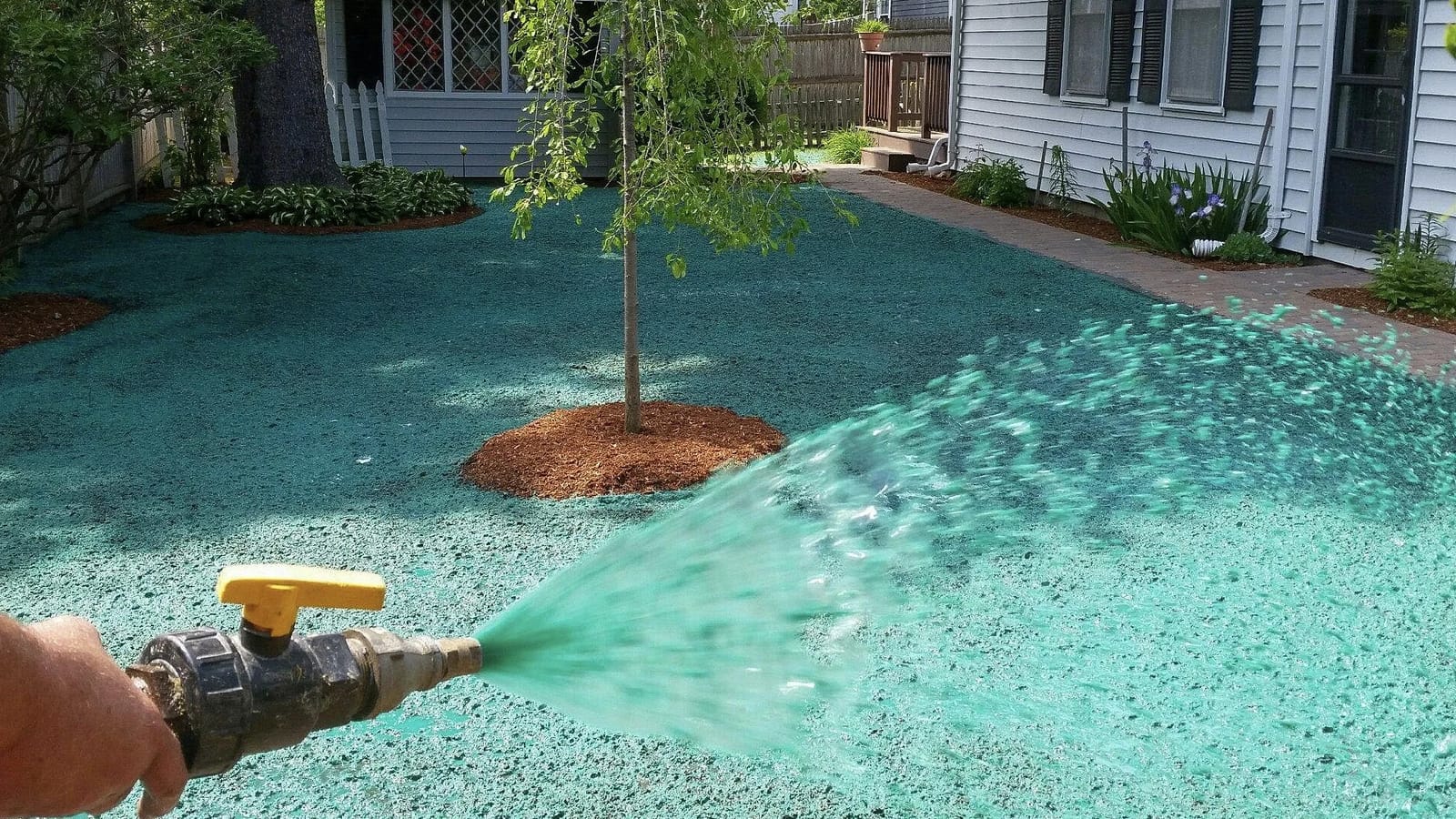
Residential hydromulching for Miami homes
Residential hydromulching is a precision way to establish grass on Miami homesites using a slurry of seed, mulch, fertilizer, tackifier, and water sprayed over prepared soil. Miami Hydroseeding specializes in adapting this process to our local coastal soils, heavy afternoon storms, and year-round growing season. Instead of rolling out sod or broadcasting dry seed, we use a calibrated hydroseeder to coat your yard with a uniform layer that holds moisture, protects seed, and resists washouts.
In Miami, this service is ideal for new construction lots in places like West Kendall or Doral, older homes with tired St. Augustine that needs replacing, or properties with slopes and swales that have constant erosion. We focus only on residential projects, so the mix design, timing, and equipment are selected for yards, not highway embankments. That means better seed choices, cleaner edges around patios and pools, and less disruption to your daily life.
Miami Hydroseeding is fully licensed and insured in Florida, and our crews work only with hydromulching and related soil preparation, not general landscaping. This narrow focus means we have tested what works on Miami limestone-based soils, salty air near Biscayne Bay, and low-lying areas that stay wet after storms. Every job starts with a site-specific plan, not a one-size-fits-all blend.
How the residential hydromulching process works
There are five main stages to residential hydromulching for Miami yards. First, we inspect your property, check sprinkler coverage, look for drainage problems, and test or visually assess the soil. On older Miami homes, we often need to remove old turf and thatch, then lightly grade to eliminate low spots that collect water and high spots that dry out.
Second, we prepare the soil. This typically includes power raking or light tilling to break the surface crust, incorporating organic material where soil is extremely sandy, and adding a starter fertilizer and lime only if pH or nutrient tests call for it. We shape mild slopes so water moves off your house, but not so fast that it erodes. Sprinkler heads are flagged, concrete is protected, and any existing landscape beds are taped off.
Third, we custom mix the hydromulch slurry in the tank on your property. The mix usually contains: grass seed suited to your sun and shade pattern, wood or paper mulch fibers, a tackifier (a glue-like binder) that helps the mulch hold together during Miami thunderstorms, and a fertilizer package appropriate for the season. The proportions change depending on whether we are spraying over sandy fill, compacted contractor-grade soil, or existing thin turf.
Fourth, we apply the slurry with a hose under controlled pressure, working from the back of the property toward the front to avoid foot traffic over freshly sprayed areas. We overlap passes to prevent thin spots, adjust pressure near fences and pool decks to avoid overspray, and maintain a consistent mulch depth so seeds are protected, not buried.
Finally, we walk the site with you, review the watering schedule, flag areas that may need extra attention, and set follow-up checkpoints to monitor germination and coverage. You receive written care instructions tailored to our climate, not generic directions copied from a seed bag.
Hydromulch mixes tailored to Miami yards
Residential hydromulching succeeds or fails based on the mix design. Miami Hydroseeding does not rely on a single stock blend. We adjust seed type, mulch material, and additives based on your property conditions and how you use your yard.
For full-sun front yards common in Miami Lakes and Kendall, we often recommend warm-season grass varieties that tolerate heat, humidity, and moderate drought once established. In partial-shade backyards under oaks or mahogany trees, we select blends that handle filtered light and leaf litter. If you have pets or kids who will be on the lawn constantly, we shift toward tougher varieties with better wear resistance.
Mulch choice matters too. Wood-fiber mulch holds more moisture and provides better erosion control, which is useful on sloped lots or properties that see strong runoff during summer storms. Paper-based mulch can work on flatter sites with good irrigation and is often chosen for budget-sensitive projects. In very sandy or shell-based soils near coastal areas, we may increase mulch rates and incorporate soil conditioners so the seed has a better rooting zone.
Additives are adjusted for Miami conditions. We often include a stronger tackifier on properties that slope toward sidewalks or driveways, which helps avoid wash lines in heavy rain. In areas with poor fertility, we incorporate a slow-release starter fertilizer to support early root growth without creating disease-prone top growth in our humid climate. Where reclaimed water is used for irrigation, we take salt levels into account when choosing both seed and fertilizer components.
Cost factors for residential hydromulching in Miami
Pricing for residential hydromulching in Miami varies, but we are transparent about what drives cost so you can compare options fairly. The largest factor is square footage. A small 1,000 to 2,000 square foot townhouse yard will cost less overall than a full quarter-acre lot, although smaller jobs may have a higher per-square-foot price because we still have to mobilize equipment and crew.
Site preparation is the next big variable. If your existing lawn only needs light de-thatching and leveling, preparation costs stay modest. If we must strip old turf, haul away debris, import topsoil, or address long-standing drainage problems, that adds labor and material. Miami infill lots that have been used as contractor parking or that sit over compacted fill often need extra work before hydromulching makes sense.
Material choices also affect price. Premium wood-fiber mulch, higher seeding rates, and more complex seed blends cost more than basic mixes, but can save money long term by reducing erosion repairs and improving coverage. Steeper slopes, hard-to-access backyards that require more hose length, or tight spaces between houses can add time and increase labor.
Finally, timing and weather can influence costs. Scheduling during peak rainy season sometimes requires heavier tackifier rates or return visits to touch up rain-damaged areas, which we will discuss with you upfront. Miami Hydroseeding provides written estimates that outline preparation steps, mix specifications, and any recommended upgrades, so you understand exactly what you are paying for and what results to expect.
Common problems in Miami lawns and how hydromulching addresses them
Residential lawns in Miami face a specific set of challenges: intense sun, heavy afternoon storms, high humidity, and often poor fill dirt left by builders. Many yards have a thin layer of topsoil over rock, or compacted subsoil from construction traffic. Hydromulching, done correctly, can improve the odds of establishing a healthy lawn in these conditions.
Erosion is one of the most common issues, especially on lots that slope toward the street or canal. Traditional dry seeding often washes away in the first strong rain. Our hydromulch layer locks seed against the soil, and with proper surface grading and tackifier use, usually stays in place even during downpours. On particularly vulnerable banks or swales, we may recommend a two-pass application or pairing hydromulch with erosion control blankets.
Another frequent problem is uneven germination. Miami properties often have patches of deep shade, full sun, and variable irrigation coverage in the same yard. We evaluate sprinkler patterns before spraying, suggest minor adjustments to heads or nozzles, and may adjust seeding rates in problem areas. If we identify zones that simply will not support turf, such as constantly soggy corners or heavily shaded strips between houses, we will tell you that upfront and offer alternatives.
Disease pressure is high in our climate. A dense, quickly established lawn from hydromulching competes better with weeds, which reduces the need for early herbicide applications that can stress young grass. We also avoid over-fertilizing in the first weeks to limit rapid, weak growth that is prone to fungus. Our care instructions include realistic mowing and watering guidelines tailored to Miami, which are critical to avoiding brown patch and other common turf diseases.
What Miami homeowners should do before and after hydromulching
Homeowner participation is important for a successful residential hydromulching project. Before we arrive, we ask you to clear the yard of furniture, toys, and debris, and to ensure any planned hardscape work (pavers, pool decks, patios) is complete. If your irrigation system is not currently working, we recommend having it repaired in advance, or we can coordinate temporary watering solutions.
We also encourage you to think about how you use different parts of your yard. Do you need a durable play area, a lower-maintenance side yard, or a very manicured front lawn? Sharing this with Miami Hydroseeding during the site visit helps us recommend the right grass type and maintenance plan instead of a generic one-size lawn.
After we spray, your main responsibility is proper watering and traffic control. Typically, new hydromulched lawns in Miami need light, frequent watering at first to keep the mulch consistently damp, then gradually fewer, deeper waterings as the grass establishes. We will give you a day-by-day schedule for at least the first three weeks. You should avoid walking on the treated areas until the grass has germinated and begun to root, especially in the first 7 to 10 days.
We provide guidance on when to start mowing, how high to cut, and when it is safe to consider the lawn established enough for pets and heavy use. If you notice pooling water, washouts, or bare spots during the establishment period, we ask you to contact us quickly. Early minor touch-ups are easier and more effective than waiting until problems expand.
Why choose Miami Hydroseeding for residential hydromulching
Residential hydromulching in Miami is not a generic lawn service. It requires knowledge of local microclimates, soil profiles, and storm patterns, along with the right equipment and materials. Miami Hydroseeding focuses specifically on hydroseeding and hydromulching for homes, which lets us deliver more consistent results than companies that treat it as an occasional add-on.
Our crews arrive with professional-grade hydromulch equipment, not small homeowner sprayers, so we can apply the correct mulch depth and seed rate across your entire yard. We document the exact mix we use on your property, including seed varieties, mulch type, and additive rates, and we share that information with you. This level of transparency helps you understand what is growing in your yard and how to care for it long term.
We also design our scheduling around Miami weather patterns. When possible, we plan applications to avoid forecasted severe storms and extreme wind, and we use stronger tackifiers or adjusted techniques when scheduling flexibility is limited. For homeowners, this means fewer surprises and better protection of your investment.
Most importantly, we view each project as the start of a lawn, not just the end of a job. Our follow-up support, from checking germination to advising on the first fertilization and mowing cycles, is built into how we work. If you want a lawn established with residential hydromulching that is tailored to Miami conditions, Miami Hydroseeding is set up to handle the entire process, from soil prep to the moment you can comfortably use your new grass.